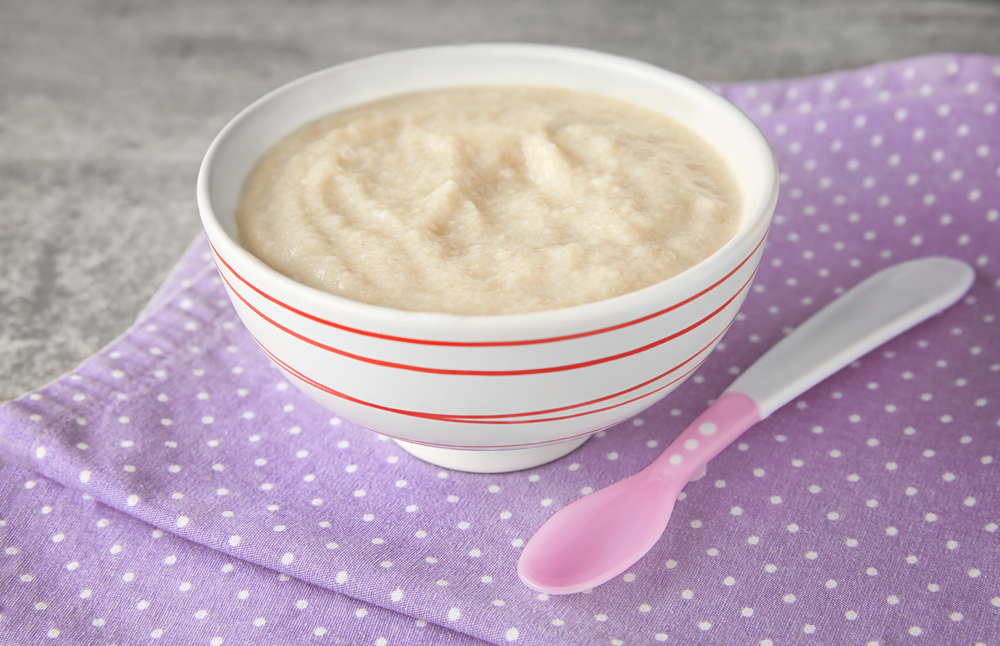
The culinary landscape of the Netherlands is rich with dishes that evoke warmth, simplicity, and a deep sense of home. Among these, there's a particular phrase that often sparks curiosity, especially among those delving into traditional Dutch cuisine or crossword puzzles: "Oud Hollands Gerecht Melk Bloem Suiker" – an Old Dutch dish of milk, flour, and sugar. While several beloved Dutch recipes incorporate these fundamental ingredients, one stands out as the quintessential answer to this description: Griesmeelpap, or semolina porridge. This humble yet incredibly satisfying dish is a cornerstone of Dutch comfort food, a testament to the nation's resourceful culinary heritage.
Often served as a comforting breakfast or a light dessert, Griesmeelpap perfectly embodies the spirit of simplicity and sustenance that defined traditional Dutch households. It's more than just a recipe; it's a nostalgic journey back to grandmother's kitchen, a taste of childhood for many, and a delightful introduction to the heart of Dutch cooking for newcomers. Let's explore what makes Griesmeelpap the definitive "Old Dutch dish of milk, flour, and sugar."
Griesmeelpap: Unpacking the Quintessential Oud Hollands Gerecht Melk Bloem Suiker
When the query "Oud Hollands Gerecht Melk Bloem Suiker" arises, be it in online forums, historical recipe quests, or even a tricky crossword, the immediate and most fitting answer is almost universally Griesmeelpap (or sometimes its variant, Griesmeelbrij). This is no accident; the dish directly translates to its core components and its historical significance.
The Dutch culinary tradition, especially in earlier centuries, emphasized making the most of readily available, often inexpensive, staple ingredients. Milk, a byproduct of the country's dairy industry; 'flour' in the form of grain products like semolina; and sugar, once a luxury but later a more common sweetener, were all foundational. Griesmeelpap is a prime example of how these basic items could be transformed into a filling and comforting meal, capable of nourishing large families without breaking the bank. It offered sustained energy and a sense of satiety, making it an ideal choice for the start of a busy day or a warming conclusion to an evening meal.
What sets Griesmeelpap apart from other contenders like pancakes (pannenkoeken) or miniature fluffy pancakes (poffertjes), which also use milk, flour, and sugar, is its specific consistency and primary purpose as a soft, warm porridge. While the latter are often considered more celebratory or snack-like, Griesmeelpap holds a unique position as a wholesome, everyday staple. Its name, derived from "griesmeel" (semolina), clearly points to the specific 'flour' product used, solidifying its identity as the Oud Hollands Gerecht Melk Bloem Suiker par excellence.
For a deeper dive into this comforting classic, you might enjoy reading Nostalgic Delight: Rediscovering Traditional Dutch Griesmeelpap.
The Simplicity and Comfort of Griesmeelpap: A Culinary Journey Back in Time
The true magic of Griesmeelpap lies in its unpretentious preparation and the soothing satisfaction it delivers. It's a dish that needs no fancy ingredients or complicated techniques, relying instead on the inherent goodness of its core components.
Understanding the Core Ingredients: Melk, Bloem (Semolina), Suiker
- Melk (Milk): This forms the creamy base of the porridge. Traditionally, full-fat cow's milk was used, contributing to a rich texture and comforting flavor. The milk is slowly heated, allowing the semolina to cook gently and absorb its creamy essence.
- Griesmeel (Semolina – the 'Bloem' component): This is the star of the show. Semolina is a coarse, purified middling of durum wheat. While not "flour" in the fine, powdery sense of all-purpose flour (tarwebloem), it is a wheat product derived from the milling process, fulfilling the 'bloem' (flour) aspect of the description. It's the semolina that gives Griesmeelpap its distinctive grainy yet tender texture, thickening the milk into a delightful porridge. Its slightly nutty flavor is subtle but essential.
- Suiker (Sugar): A touch of sweetness is crucial for Griesmeelpap, elevating it from a bland gruel to a delightful treat. The amount can be adjusted to personal preference, often complemented by other sweet toppings.
A Simple Recipe for Authentic Griesmeelpap
Creating Griesmeelpap is a straightforward process, making it accessible for even novice cooks. Here’s a typical, easy-to-follow method:
- Heat the Milk: In a medium saucepan, gently heat about 500ml (2 cups) of milk over low to medium heat. You can add a pinch of salt to enhance the flavors, and a vanilla bean or a drop of vanilla extract for a subtle aroma.
- Add Semolina: Once the milk is warm (but not yet boiling), gradually sprinkle in about 50-70 grams (1/4 to 1/3 cup) of fine semolina, whisking constantly to prevent lumps from forming. This continuous stirring is key to a smooth consistency.
- Simmer and Thicken: Continue stirring occasionally as the mixture comes to a gentle simmer. Reduce the heat to low and let it cook for 5-10 minutes, or until the semolina has softened and the porridge has thickened to your desired consistency. It should be creamy but not overly stiff.
- Sweeten to Taste: Remove from heat and stir in sugar to your preference. Start with 1-2 tablespoons and add more if needed.
- Serve Warm: Ladle the warm Griesmeelpap into deep bowls. This is where the magic of toppings comes in!
Classic Dutch Toppings:
- Redcurrant Syrup (Rode Bessensap) or Lemonade Syrup: A popular choice, adding a tart and sweet contrast.
- Cinnamon and Extra Sugar: A timeless combination for warmth and spice.
- A Pat of Butter: Melting into the warm porridge, it adds a luxurious richness.
- Fresh Fruit: Berries or stewed apples can add a refreshing touch.
While the basic recipe is wonderfully simple, don't hesitate to experiment. Some modern variations might include plant-based milks, a sprinkle of nuts, or a swirl of honey. For more details on the enigma of these traditional Dutch dishes, explore Unraveling the Mystery: What is the Dutch Milk, Flour, Sugar Dish?
More Than Just a Meal: The Enduring Appeal of Dutch Comfort Food
The longevity of Griesmeelpap in Dutch culinary tradition goes beyond its taste; it’s deeply rooted in culture, economy, and sentiment.
Why Griesmeelpap Remains a Beloved Classic
- Cost-Effectiveness: In an era where food budgets are often a concern, Griesmeelpap offers a delicious and satisfying meal using affordable, pantry-staple ingredients. This aspect of practical budget cooking has always been, and remains, a significant draw.
- Nostalgia and Comfort: For generations of Dutch people, Griesmeelpap is inextricably linked with childhood, family meals, and the comforting presence of grandparents. It embodies a particular kind of food nostalgia – simple, hearty, and full of warmth. Much like other beloved Dutch treats such as poffertjes (mini pancakes) or oliebollen (doughnuts), it transports one back to simpler times.
- Return to Tradition: In recent years, there's been a noticeable resurgence of interest in traditional, "slow food" recipes. Food blogs and culinary enthusiasts are actively seeking out authentic, simple dishes that connect them to culinary roots. Griesmeelpap fits perfectly into this movement, appreciated for its wholesome nature and historical charm.
Exploring Other Candidates for "Oud Hollands Gerecht Melk Bloem Suiker"
While Griesmeelpap is the primary answer, it's worth acknowledging that other Dutch dishes also feature milk, flour, and sugar:
- Pannenkoeken (Pancakes): A highly popular dish, typically thinner than American pancakes, often served with sweet or savory toppings. They certainly use milk, flour, and sugar.
- Poffertjes (Mini Pancakes): Small, fluffy, yeast-leavened pancakes, dusted with powdered sugar and butter. A classic treat, also made with these core ingredients.
However, the specific "dish of milk, flour, and sugar" in a straightforward, hearty, and often puzzle-like context points most directly to Griesmeelpap due to its porridge-like consistency and its historical role as a foundational, everyday meal. While other "Old Dutch" dishes like Hete Bliksem (a mashed potato and apple dish with meat) are undeniably traditional and evoke sentiment, they clearly do not fit the milk, flour, and sugar criteria, illustrating the specificity of the initial query.
Conclusion
Griesmeelpap stands proudly as the quintessential "Oud Hollands Gerecht Melk Bloem Suiker." It's a dish that transcends its humble ingredients, offering a rich tapestry of history, comfort, and nostalgic flavor. From its origins as a budget-friendly staple nourishing Dutch families to its modern-day resurgence as beloved comfort food, Griesmeelpap perfectly encapsulates the essence of traditional Dutch cuisine.
Whether you're exploring Dutch culinary heritage, seeking a simple yet satisfying meal, or simply yearning for a taste of tradition, making a bowl of warm Griesmeelpap is an experience well worth savoring. It's a reminder that sometimes, the simplest combinations create the most enduring and cherished flavors.